- Home
- Leak detection
15 years of plumbing in Kempton Park
Leak Detection
Kempton Park
Leak detection in Kempton Park ends with the leak fixed and the repair on paper, because Ekurhuleni only considers a lower rate for leaked water with proof of the repair.
Six places a hidden leak usually turns out to be
Each is isolated and tested on its own, so only the leaking part gets opened.
Toilet cisterns
A worn flapper or a float valve set too high lets water run into the pan all day. Checking it needs no digging, so it comes first.
The pipe from the meter
The supply line under lawn, paving or a driveway. Pressure-testing it on its own shows whether it holds before any ground is opened.
Pipes in walls and floors
Damp low on a wall, lifting tiles or a warm patch over a hot pipe. The line is isolated and tested, then opened only where it leaks.
Geyser valves and overflow
A valve letting by sends water out of the overflow pipe all day, and the meter counts every litre of it. It is tested at the geyser.
Irrigation and garden lines
Buried sprinkler pipes and garden taps can leak where nobody looks. They are isolated and pressure-tested apart from the house.
The paperwork
Where the leak was, what failed, what was replaced and the date of the repair, on one invoice. That date starts the City's 90-day window.
Ninety days to hand in the invoice
Homes across the Kempton Park Customer Care Area, which counts 62,029 registered properties, pay for water in steps. On the 2026/27 residential tariff the first 6 kilolitres a month cost R25.21 each, rising to R78.09 for every kilolitre above 45, before VAT. Those prices are set by the City and do not bend for a burst under the lawn. What can bend is the rate charged on the excess, if the owner follows one item in the tariff schedule to the letter.
Item 3.8 of the 2026/27 water tariff, "Private Internal Water Leak", deals with exceptionally high readings caused by a leak in a private pipeline. The City's Divisional Head of Revenue "may determine" that the excess consumption be charged at R29.13 per kilolitre for a maximum of 91 days, and the sewer tariff carries its own leak rate of R6.49 per kilolitre for bona fide leaks. The lower rate applies to the excess, not to the whole account. And "may" is the word that matters: it is a decision the City takes on evidence, not a right.
The evidence has a deadline. The schedule requires a reduction in consumption and proof that the leak was fixed, "substantiated by a plumbers' invoice or affidavit from the consumer", submitted "within 90 days after repair of the leak". The Water Services By-laws add that no consumer is entitled to any rebate for water wasted through faulty fittings or undetected leakage. Relief is something you apply for, with paper, inside a window that opens on the day of the repair.
A second clock runs the other way. Under the 2025/26 schedule, an owner who does not repair a leaking internal installation within 48 hours after notification pays the "actual cost of repairs + 15% administration fee per incident". The by-law also says no tap may be installed where its leakage "cannot readily be detected and repaired". Between the two, the City expects a leak to be found, dealt with promptly and shown to have been.
For a house with a high bill, that makes leak detection a paper job as much as a plumbing one. The invoice needs to say where the leak was, what failed, what was replaced and the date of the repair, and meter readings from before and after show the drop the schedule asks for. A line that says only "repaired leak" gives the City little to decide on. The repair date is day one, and the paper should reach the City well before day 90.
On the day a leak is repaired, write down the meter reading and get the dated invoice to the City well inside 90 days. The leak rate is at the City's discretion, and late paperwork leaves it nothing to decide.
What a high bill or a damp patch usually means
Five signs of a hidden leak, where they usually lead, and what the search does first.
Hidden leaks, Kempton Park homes
| What you notice | What it usually is | What it needs |
|---|---|---|
| The bill jumped and nothing looks wet | A running cistern, or a leak in the line from the meter | Meter watched with every tap shut; cisterns checked first |
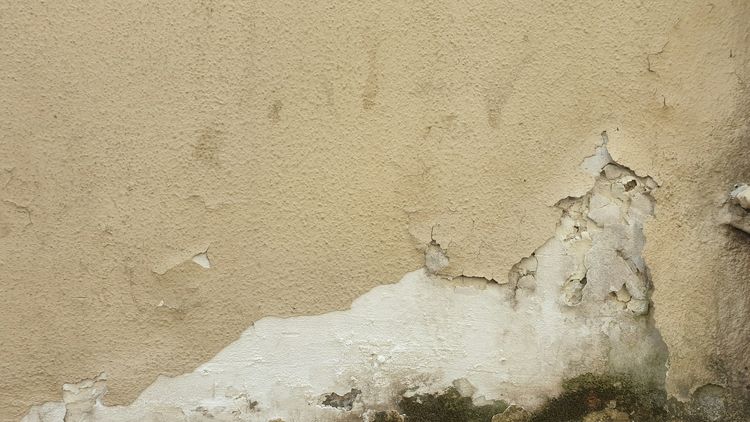
| Damp rising low on an inside wall | A pipe or fitting leaking inside the wall | That line isolated and tested; only the leaking section opened |
| A green, soft strip of lawn in a dry spell | The supply pipe leaking underground | Line pressure-tested, then one small hole dug at the leak |
| Grout darkening around the shower | A leaking mixer or waste fitting behind the tiles | Mixer and waste tested before any tile comes up |
| A warm patch on a tiled floor | A hot-water pipe leaking under the slab | Hot line isolated and tested before the floor is opened |
If the meter moves with every tap closed, there is a leak somewhere after it.
Four things a leak search is held to
Written against a familiar complaint about leak searches: money spent, and the leak still not found.
Search and repair, priced apart
The search is priced before it starts and the repair after the leak is found, so you can stop once it is located if you want to.
Shown before anything is broken
You see the reading or the wet section before paving, tiles or plaster are opened, and you agree how big the opening will be.
Not found means told why
A search that has not found the leak ends with a note of what was tested and ruled out, and a price for the next step, before more time is charged.
Still answering when the next bill comes
If the next reading has not dropped, say so through the same form and a return check of the meter is arranged with you.
Four steps from a high bill to a dated invoice
Nothing is dug up or broken open until you have seen why and agreed the price.
Send the bill or the damp spot
Use the form to say what you have noticed. The plumber phones back, asks you to watch the meter with every tap shut, and explains the visit charge.
Narrow it down
Cisterns and the geyser are checked, then the house, garden and supply lines are isolated in turn until the meter stops moving.
Locate and show
The leak is pinned to one spot and shown to you. The repair, and the size of any opening, is priced in writing before work starts.
Repair and date it
The repair is made, the meter read again to show it has stopped, and the invoice dated with the details the City asks for.
Related work in Kempton Park
Leak and water bill questions in Kempton Park
Ask anything else in the call-out form; the plumber answers it on the phone-back.
If the leak takes a while to find, does the price keep climbing?
Not without your say-so. The search is priced on the phone-back, and if it runs past what was agreed, you are told what has been ruled out and what more time would cost before it continues.
The repair is priced separately once the leak is found. The plumbing prices page covers which lines a quote should show.
What paperwork does the City want before it reconsiders a leak-inflated bill?
Proof that the leak was fixed: a plumber's invoice, or an affidavit from you, submitted within 90 days after the repair. That is item 3.8 of the 2026/27 tariff, which also requires a reduction in consumption, so later readings need to show the drop.
If the City agrees, the excess can be charged at R29.13 per kilolitre for up to 91 days. It is the City's decision, and the by-law gives no rebate as of right.
The leak is at the meter box itself. Where do I report that in Kempton Park?
To the City, on 0860 543 000 or the My CoE App, and keep the reference number. The connection pipe, the meter and the valve the City installs with it remain City property, and the City asks residents to report leaks there rather than repair them.
What to do in the meantime is on the emergency plumber page.
How much of the driveway has to come up to reach an underground leak?
Usually one small opening at the leak, not a trench. The supply line is pressure-tested on its own and the leak pinned to a spot before any paving is lifted, and you agree the size of the opening first.
Ekurhuleni's by-law asks for underground pipes on a property to be at least 500 mm deep, so even a small hole has some depth to it. Pavers lifted by hand can usually be relaid.
What happens if the City spots the leak first and sends me a notice?
Have it repaired quickly. Under the City's 2025/26 tariff schedule, an owner who does not repair a leaking internal installation within 48 hours of notification can be charged the actual cost of repairs plus a 15% administration fee.
Send the form with the notice to hand, and keep the plumber's invoice. It shows the repair was done, and its date starts the 90-day window for any leak relief on the bill.
My bill is estimated every month. Could a leak be hiding behind that?
It can. Where a meter cannot be read, the City's Metering Policy lets it estimate use, and on the 2026/27 tariff an unread household connection can be billed a fixed amount from R525.30 to R2,238.40 a month. A leak behind an estimate keeps running without showing up as a jump.
Read the meter yourself with every tap shut. If the dial moves, water is going somewhere, whatever the bill says.
If no leak is found, what do I get for the visit?
A written note of what was tested and ruled out, with the meter readings taken. It narrows the next search, and it is a record to keep alongside your account.
If the meter did not move with every tap shut, the note says so plainly, and no repair is sold to you.
There is a hissing in the wall when the house is quiet. Is that a leak?
It often is. With every tap shut and the cisterns full, water in the pipes should be still, so a hiss or trickle you can hear means water is moving somewhere: a pipe leaking inside the wall, or a cistern that never stops filling.
Watch the meter with everything off to confirm it. If the dial moves, that wall is the first place the search looks.
Where we work
Every suburb inside Kempton Park, from Birchleigh North down to Bonaero Park on the airport fence.
- Kempton Park CBD
- Allen Grove
- Aston Manor
- Birch Acres
- Birchleigh
- Birchleigh North
- Bonaero Park
- Bredell
- Cresslawn
- Croydon
- Edleen
- Esther Park
- Glen Erasmia
- Glen Marais
- Isando
- Kempton Park West
- Nimrod Park
- Norkem Park
- Pomona
- Rhodesfield
- Serengeti
- Spartan
- Terenure
- Van Riebeeck Park